Your retail clients are facing a fundamental challenge. Customers no longer think in terms of online versus offline shopping. They expect seamless experiences that blend both worlds effortlessly.
The global phygital market is growing at over 15% annually, projected to reach $52.5 billion by 2030. For digital marketing agencies working with retail clients, understanding phygital strategy isn't optional anymore. It's the difference between relevance and obsolescence.
In This Article
What Phygital Retail Actually Means?
Phygital retail is the strategic fusion of physical stores and digital experiences to create engaging, personalized shopping journeys. Unlike traditional omnichannel approaches that treat online and offline channels as separate entities, phygital ensures customers move effortlessly between both without disruption.
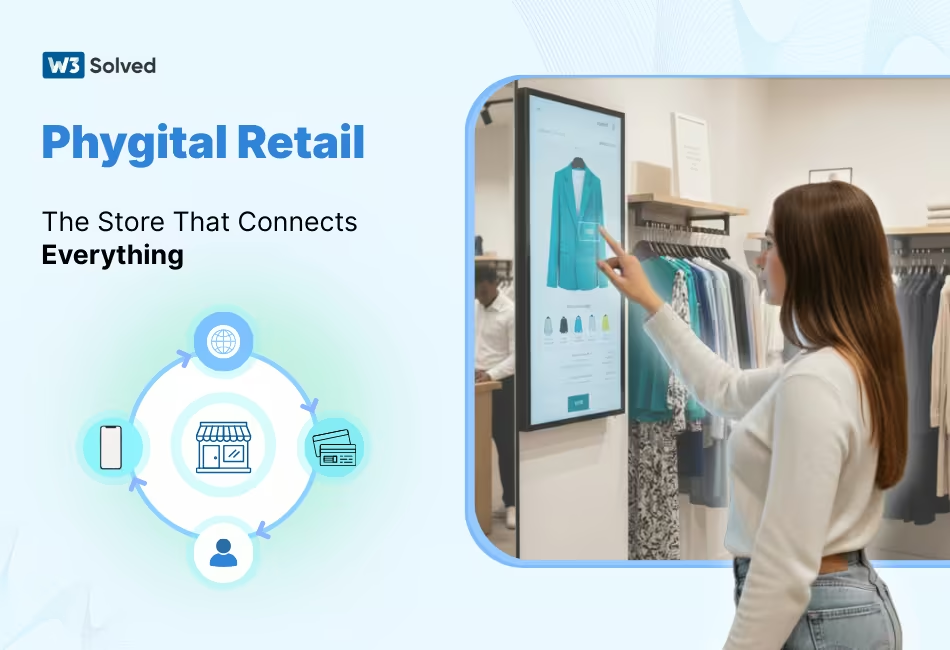
The concept goes beyond simply having both a website and a physical store. It means integrating cutting-edge technology like augmented reality, virtual try-ons, mobile checkout, interactive displays, and real-time inventory tracking to deliver an advanced shopping journey that fits modern consumer behavior.
Just as small businesses need to compete strategically with big brands, retailers must leverage phygital strategies to stay competitive in today's market.
The Technology Behind Phygital
According to research published in the Frontiers in Virtual Reality journal, phygital experiences leverage predictive analytics, machine learning, interactive displays, and real-time inventory tracking working together to transform everyday retail visits.
These aren't futuristic concepts. They're operational realities deployed by leading retailers today.
Most people don't realize how seamlessly these technologies can work together. Mobile AR retail market alone is expected to hit $8.6 billion by 2025, with 1.73 billion AR-enabled devices worldwide by the end of 2024.
This infrastructure removes previous barriers to AR adoption, allowing mass-market consumers to access sophisticated retail experiences via existing smartphone hardware.
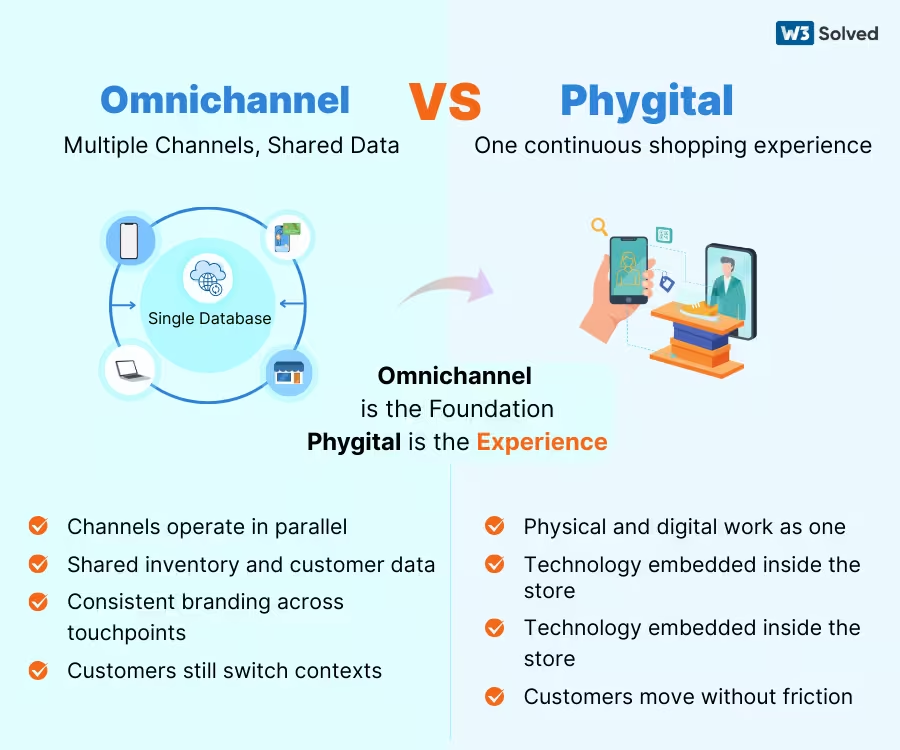
Why It's Different From Omnichannel?
Omnichannel retail offers multiple touchpoints across different channels. Phygital retail ensures those touchpoints feel like a single, continuous experience.
A customer might browse products online, use AR to visualize items in their home, visit a store to touch the product, and complete the purchase via mobile checkout without ever experiencing friction between channels.
The difference matters because modern consumers, especially Generation Z, don't see a clear divide between online and offline shopping. They expect to move between both seamlessly, and they expect personalized experiences throughout the journey.
Essential Phygital Technologies
- Augmented reality for virtual product try-ons and visualization
- Real-time inventory tracking across online and physical locations
- Mobile apps that work both at home and in-store
- Contactless payment and self-checkout technologies
- Interactive displays and smart mirrors in physical stores
- Unified customer data across all touchpoints
Why Phygital Matters More Than Ever?
Consumer expectations have reached a critical inflection point. According to industry data, 91.75% of Generation Z shoppers actively seek AR-enabled experiences, and 65% of all consumers now prefer phygital shopping over traditional methods.
Perhaps most notably, 40% of consumers are willing to pay premium prices for products they can experience through AR.
These aren't hypothetical preferences. They're driving real purchasing decisions and brand loyalty. Research published in the journal Sustainability demonstrates that stores using phygital strategies report significant increases in brand loyalty and customer engagement.
For retailers looking to optimize their digital presence, working with an experienced SEO partner can help ensure their phygital strategy reaches the right audience online.
The Gen Z Factor
Generation Z is now the largest consumer group, and they demand completely different shopping experiences. According to retail research, 55% of Gen Z shoppers make purchases on Instagram, and 51% do so on TikTok.
But it's not just the online experience they care about. Gen Z still values in-store discovery and tactile experiences.
This dual expectation creates the perfect environment for phygital retail. They want the convenience of digital browsing with the confidence of physical interaction. They expect instant access to information, seamless transitions between channels, and highly personalized experiences based on their preferences and behavior.
Understanding these shifts in consumer behavior is crucial, especially as AI continues to reshape shopping habits.
Physical Stores Aren't Dead
Despite rapid ecommerce growth, physical retail remains vital. Research in the International Review of Retail, Distribution and Consumer Research shows that a significant portion of consumers still crave the personal service that only in-store shopping can provide.
Moreover, 57% of shoppers want to see, touch, and feel items before they buy, and 68% seek expert advice on high-value purchases.
More ecommerce brands are actually moving into physical retail because they recognize the importance of tactile experiences and human interaction. But these aren't traditional stores. They're built with digital-first strategies that deliver the best of both worlds.
The Business Case
The numbers justify phygital investment. Research published in Computers in Human Behavior demonstrates that AR-enabled conditions exert stronger effects on consumer purchase and continuance intentions.
AR specifically delivers remarkable results: furniture retailers using AR visualization see a 22-40% reduction in return rates because customers make more informed decisions.
The global phygital solutions market was valued at $25 billion in 2023 and is projected to grow at 11.2% CAGR through 2030, reaching $52.5 billion by the end of the decade. This isn't a niche trend. It's becoming the standard expectation for retail experiences.
Retailers should also stay informed about Google's 2026 Product ID changes, which will impact how products appear in search results and shopping feeds.
Competition Reality: 35% of business leaders have adopted AR/VR technology in at least one business unit, with 13% implementing it across multiple divisions. Organizations that act now will shape the future of retail experiences for the next decade, while those that hesitate will follow instead of lead.
Brands Winning With Phygital Strategies
The most instructive lessons come from brands successfully implementing phygital strategies at scale. These aren't experimental pilots. They're proven business models generating measurable results.
Sephora: The Beauty Industry Pioneer
Sephora has pioneered phygital strategies in beauty retail with its Virtual Artist app. The app uses augmented reality to let customers try on makeup products using their smartphone cameras.
Shoppers can experiment with different looks, shades, and styles before making a purchase, either online or in-store.
The results are remarkable. Sephora's AR mirrors in physical stores result in a 31% boost in sales and 90% higher conversion rates. This advanced technology empowers customers to make more informed decisions and reduces the uncertainty associated with purchasing beauty products without prior testing.
Customers who engage both online and in-store display higher levels of interaction and transaction value. The seamless integration between digital exploration and physical purchase creates loyalty that neither channel could achieve alone.
Nike: Data-Driven Physical Stores
Nike's concept stores like Nike by Melrose in Los Angeles are designed around specific needs and shopping habits of local customers, using data gathered from online purchases and app usage in the area.
These stores offer online reservation of products for in-store trials, instant purchases via the app, and personal shopping assistance.
The merchandise in these stores is frequently updated based on online purchasing trends in the area, ensuring that products on display are those most relevant to the local community.
In-store, customers use the Nike mobile app to scan products, access detailed information, check size availability, and receive personalized recommendations.
Smart mirrors in fitting rooms suggest complementary items based on what customers are trying on. The app allows for instant purchases without waiting in line, and customers can reserve items online for in-store trial, creating a truly frictionless experience.
Warby Parker: Virtual Try-On Success
Warby Parker integrated a virtual try-on feature into their mobile app that allows customers to see how different frames look on their faces without visiting a physical store.
With over 2,500 ratings and a 4.7-star rating in app stores, customers clearly appreciate the functionality.
The virtual try-on removes pressure from the purchase decision. Customers can experiment with frames anytime and anywhere, compare different styles easily, and only visit stores when they've narrowed down their choices.
This reduces friction in the customer journey while maintaining confidence in the final purchase.
Amazon Fresh: Cashier-Free Shopping
Amazon Fresh stores merge the ease and convenience of online shopping with traditional in-store experience. Customers use the Amazon app on smartphones to enter the store.
Store sensors automatically scan selected items and add them to the digital cart on the app.
If a customer returns an item to the shelf, it's automatically removed from the digital cart. When finished shopping, Amazon charges the customer's account and sends a digital receipt.
The entire experience eliminates checkout lines while maintaining the immediacy of physical shopping.
Measurable Phygital Results
- Sephora: 31% sales boost and 90% higher conversion with AR mirrors
- Furniture retailers: 22-40% reduction in returns using AR visualization
- Rebecca Minkoff: 65% of visitors more likely to order after AR interaction
- General retail: 20% increase in brand loyalty with phygital strategies
- Personalized content: 19% higher average transaction values
How to Implement Phygital in Your Store?
Building phygital experiences for retail clients requires strategic planning, appropriate technology selection, and careful execution. The good news is that implementation can be scaled based on budget and organizational readiness.
Before diving into implementation, consider using a strategy finder tool to identify which phygital approaches align best with your specific retail goals.
Start Small With Scalable Solutions
The biggest challenges to phygital adoption are cost of technology, staff adoption, ensuring brand consistency across channels, and data privacy concerns.
Many retailers successfully start small with scalable solutions before moving to more advanced implementations.
QR codes in stores that link to product information, reviews, or size guides represent a low-cost entry point. Click and collect services where customers order online and pick up in-store create immediate value.
Mobile apps with basic features like loyalty programs and product catalogs build the foundation for more advanced capabilities later.
Prioritize AR and Virtual Try-On
AR is expected to generate 63.4% of virtual try-on revenue in 2025. These technologies are no longer add-ons but essential parts of phygital retail experience.
Shoppers now expect them, especially in categories like fashion, beauty, furniture, and home decor.
Implementation has become easier with the proliferation of AR-enabled devices. Most smartphones now support AR experiences without requiring special hardware.
Platforms exist that allow retailers to deploy virtual try-on experiences relatively quickly without building everything from scratch.
Unify Customer Data
True phygital experiences require unified customer data across all touchpoints. When a customer browses products online, visits a store, and makes a purchase via mobile app, all of this data should flow into a single customer profile.
This unified view enables personalized recommendations based on combined online and offline behavior. It allows sales associates to see what customers viewed online before coming to the store.
It ensures promotions and pricing remain consistent across channels.
According to industry data, 16% of Gen Z shoppers want personalized offers sent to their phones when in-store. Delivering this requires real-time data integration between physical store systems and digital platforms.
Train Staff for Digital Integration
Technology alone doesn't create phygital experiences. Staff must be comfortable using digital tools to enhance customer service.
Sales associates need access to customer data, inventory systems, and product information on mobile devices.
Successful implementations involve extensive staff training not just on how to use technology, but on how to integrate it naturally into customer interactions. The goal is to make technology invisible while making service better.
For retailers in competitive markets, partnering with a local SEO specialist can help ensure your phygital retail strategy gets maximum online visibility.
Your Phygital Implementation Roadmap
- Audit current touchpoints and identify friction in customer journey
- Implement basic click-and-collect or buy-online-pickup-in-store
- Deploy QR codes in stores linking to product details and reviews
- Launch or enhance mobile app with in-store functionality
- Integrate AR try-on for appropriate product categories
- Unify customer data across online and offline systems
- Equip staff with mobile devices and customer information access
- Install smart mirrors, interactive displays, or self-checkout where appropriate
- Measure engagement across channels and optimize continuously
Frequently Asked Questions About Phygital Retail
What is phygital retail?
Phygital retail is the strategic integration of physical stores and digital experiences to create seamless shopping journeys.
It goes beyond omnichannel by ensuring customers can move effortlessly between online and offline touchpoints without friction, using technologies like AR, mobile apps, and real-time inventory tracking.
How is phygital different from omnichannel?
While omnichannel provides multiple separate channels for shopping, phygital creates a unified experience where physical and digital blend seamlessly.
Phygital ensures all touchpoints feel like one continuous journey, allowing customers to browse online, visualize with AR, try in-store, and purchase via mobile without experiencing any disconnect between channels.
What technologies are needed for phygital retail?
Essential phygital technologies include:
• Augmented reality for virtual try-ons
• Real-time inventory tracking across channels
• Mobile apps that function both at home and in-store
• Contactless payment systems
• Interactive displays and smart mirrors
• Unified customer data platforms that connect all touchpoints
Why should retailers invest in phygital strategies?
The business case is compelling:
• 91.75% of Gen Z shoppers seek AR experiences
• 65% of consumers prefer phygital shopping
• 40% will pay premium prices for AR-enabled products
Retailers see 31% sales boosts, 90% higher conversion rates, and 22-40% reductions in return rates with phygital implementations.
How can small retailers start with phygital?
Start with scalable, low-cost solutions:
• QR codes linking to product information
• Click-and-collect services
• Basic mobile apps with loyalty programs
These create immediate value while building the foundation for more advanced features like AR try-on and smart mirrors as budget allows.
What are the biggest challenges in phygital adoption?
The main challenges include:
• Technology costs
• Staff training and adoption
• Maintaining brand consistency across channels
• Data privacy concerns
However, many retailers overcome these by starting small, investing in staff education, and choosing scalable solutions that grow with their needs.
Building The Future of Retail
Phygital retail isn't a temporary trend that will fade as technology evolves. It represents a fundamental shift in how consumers interact with brands and make purchasing decisions.
The question for digital marketing agencies isn't whether to recommend phygital strategies to retail clients, but how quickly to implement them.
The data is clear. Consumers prefer phygital experiences, pay more for products they can experience through AR, and demonstrate higher brand loyalty when they can seamlessly move between online and offline channels.
Meanwhile, retailers implementing these strategies see measurable improvements in conversion rates, average transaction values, and return rates.
Organizations that act decisively now will shape retail experiences for the next decade. Those that hesitate will find themselves following competitors who moved faster.
The technology has matured, consumer expectations have shifted, and the business case is proven.
For agencies working with retail clients, phygital strategy should be central to every recommendation. Whether starting with simple click-and-collect services or implementing comprehensive AR experiences, the direction is clear.
The future of retail is phygital, and that future is already here. Retailers must adapt their strategies just as established websites must modernize in today's digital landscape.